Sustainable Data Center Indonesia | Energy-Efficient Infrastructure Trends
Sustainability & Energy Efficiency in Modern Data Centers: Building Responsible Digital Infrastructure
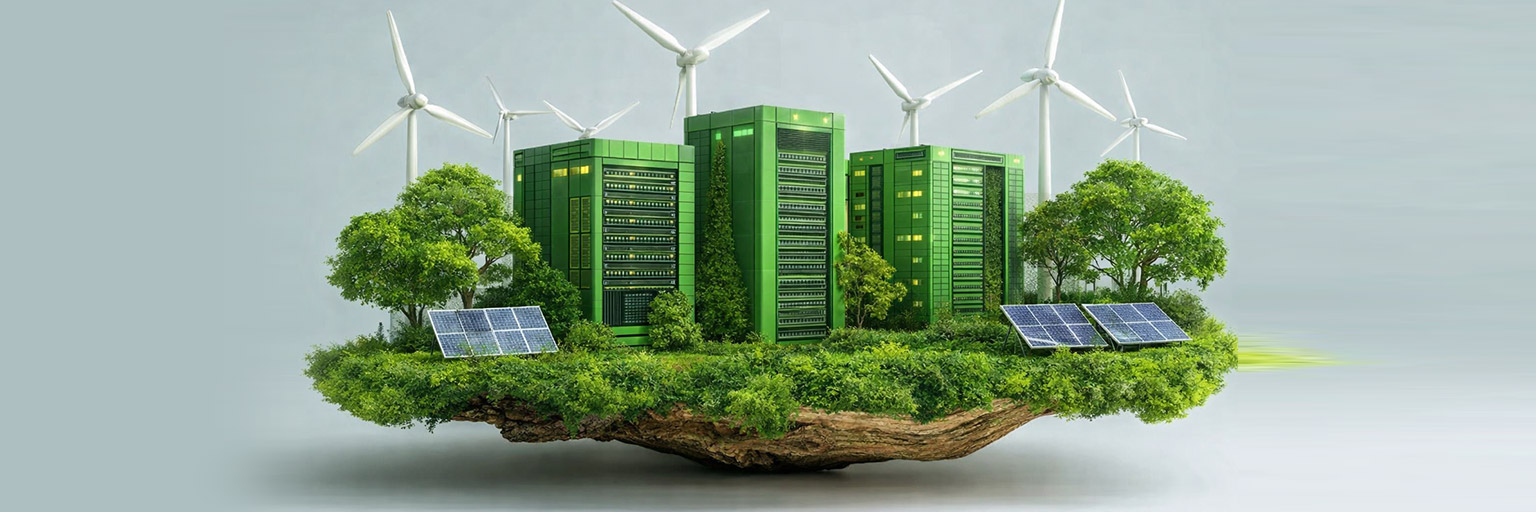
As digital services continue to expand globally, data centers have become essential infrastructure supporting cloud computing, artificial intelligence, streaming services, financial platforms, and enterprise systems. Alongside this growth, however, comes an increasing responsibility to ensure that digital infrastructure evolves in a sustainable and energy-efficient way.
Across the world and particularly in fast-growing digital markets such as Southeast Asia data center operators are focusing on new approaches to energy management, green design, and operational efficiency. These initiatives are helping ensure that the rapid growth of the digital economy can continue while balancing environmental considerations.
In the context of data center Indonesia development, sustainability is no longer viewed as a secondary objective. Instead, it has become an important element in the design and operation of modern facilities.
The Growing Importance of Sustainable Data Centers
The global demand for computing power continues to accelerate. Emerging technologies such as artificial intelligence, big data analytics, and cloud-native applications require powerful infrastructure capable of operating continuously and reliably.
At the same time, organizations across industries are increasingly aligning their operations with sustainability targets. Enterprises, governments, and technology providers are seeking infrastructure partners that demonstrate responsible energy usage and long-term environmental awareness.
For data center operators, this means designing facilities that combine performance with efficiency. Energy optimization, intelligent cooling systems, and responsible resource management are becoming key components of modern digital infrastructure strategies.
Within Southeast Asia, these priorities are shaping the development of new facilities across major connectivity hubs such as Indonesia and Singapore. The integration between data center Indonesia and the broader data center Singapore ecosystem also highlights how regional infrastructure networks can evolve together while supporting sustainability goals.
Green Design Principles in Data Center Architecture
Sustainability in data centers often begins with the design phase. Green architecture focuses on optimizing the physical structure of a facility so that energy consumption can be managed efficiently throughout its lifecycle.
Key design considerations include:
-
Efficient building orientation and airflow management
-
Advanced insulation and thermal optimization
-
Modular infrastructure for scalable growth
-
Smart monitoring systems for energy consumption
These architectural principles help reduce unnecessary energy loss and ensure that cooling and power distribution systems operate more effectively.
In tropical regions such as Indonesia, where environmental conditions can influence operational performance, thoughtful design becomes even more important. Facilities that incorporate energy-conscious architecture are better equipped to maintain stable operations while minimizing environmental impact.
Improving Power Efficiency in Hyperscale Facilities
Power efficiency is one of the most widely discussed topics in modern data center development. As hyperscale infrastructure expands to support high-density computing workloads, operators continue to explore ways to improve energy performance.
One commonly referenced metric is Power Usage Effectiveness (PUE), which measures how efficiently a data center uses energy. While numbers alone do not define sustainability, they help operators evaluate improvements in infrastructure performance.
Within environments associated with hyperscale data center Telkom ecosystems, scalable power infrastructure and optimized electrical distribution systems allow facilities to support large workloads while maintaining operational efficiency.
Energy-efficient hardware, intelligent power management systems, and renewable energy integration are all contributing factors that help hyperscale facilities manage growing digital demand responsibly.
Advanced Cooling Technologies for Modern Workloads
Cooling systems play a significant role in the energy profile of a data center. As computing density increases, particularly with GPU-intensive workloads used for artificial intelligence, traditional cooling approaches must evolve.
Newer technologies such as liquid cooling, direct-to-chip cooling, and immersion cooling are increasingly being explored in modern infrastructure environments. These solutions can help improve thermal management and reduce the amount of energy required to maintain stable operating temperatures.
Liquid cooling has gained attention as AI and high-performance computing workloads become more common. By transferring heat more efficiently than traditional air-based systems, it allows facilities to support higher-density deployments while optimizing power usage.
Although not every data center environment requires these solutions immediately, the growing adoption of advanced cooling technologies reflects the industry’s broader shift toward sustainable infrastructure design.
Regional Collaboration for Sustainable Digital Infrastructure
Sustainability in digital infrastructure often involves collaboration across regions. Connectivity between data center Indonesia, data center Batam, and data center Singapore creates opportunities for shared innovation and best practices in energy management.
Singapore, for example, has been an important hub for sustainable infrastructure research and policy development. Meanwhile, Indonesia’s growing data center ecosystem provides opportunities to integrate new technologies into large-scale digital infrastructure projects.
The relationship between these regional hubs supports a broader goal: building a digital ecosystem that is both high-performing and environmentally responsible.
Batam as an Emerging Sustainable Infrastructure Location
Batam is increasingly recognized as a strategic location for digital infrastructure development due to its proximity to Singapore and access to international connectivity routes. Its position within the SIJORI economic corridor also strengthens cross-border collaboration in technology and digital services.
Within this context, initiatives involving the data center batam ecosystem have begun to explore sustainable infrastructure technologies that support long-term operational efficiency.
The development of facilities associated with NeutraDC and Nxera in Batam reflects an approach that combines hyperscale readiness with sustainability considerations. By integrating energy-conscious design principles, scalable architecture, and modern cooling technologies, such projects demonstrate how future-ready infrastructure can align performance with environmental awareness.
Rather than focusing solely on rapid expansion, the emphasis is on building infrastructure that can operate efficiently throughout its lifecycle.
The Global Impact of Sustainable Data Center Development
The transition toward greener infrastructure is not limited to Southeast Asia. Around the world, data center operators are exploring new methods to reduce carbon emissions, increase energy efficiency, and support renewable energy integration.
These efforts contribute to a broader global movement toward sustainable digital ecosystem. As more organizations rely on digital platforms, the infrastructure supporting those platforms must evolve responsibly.
For enterprises selecting infrastructure partners, sustainability is becoming a meaningful factor in decision-making. Companies are increasingly seeking facilities that demonstrate responsible operations and transparent environmental commitments.
Looking Ahead: Sustainable Growth in the Digital Era
The continued expansion of digital services will require resilient, scalable, and energy-conscious infrastructure. Sustainability and efficiency are no longer optional features—they are integral components of modern data center strategy.
In Indonesia and across Southeast Asia, collaboration between infrastructure providers, technology partners, and enterprise users will shape the next phase of digital development.
Through responsible design, efficient operations, and ongoing innovation, the region’s data center Indonesia ecosystem can continue supporting economic growth while aligning with global sustainability priorities.
Facilities across Jakarta, Batam, and Singapore demonstrate how interconnected infrastructure can evolve to meet both technological and environmental expectations.
As the digital economy grows, the focus will remain clear: building infrastructure that not only powers the future, but does so responsibly.
- Share
Related Articles

AI, Analytics & Big Data Infrastructure | Data Center Indonesia

Data Center Certifications & Compliance | Colocation Indonesia
